How we inspect, and what happens when we get it wrong
Most supplier quality pages name four inspection stages and stop. That tells you nothing you can hold us to. Here is the sampling plan, the level, and the remedy.
The sampling plan
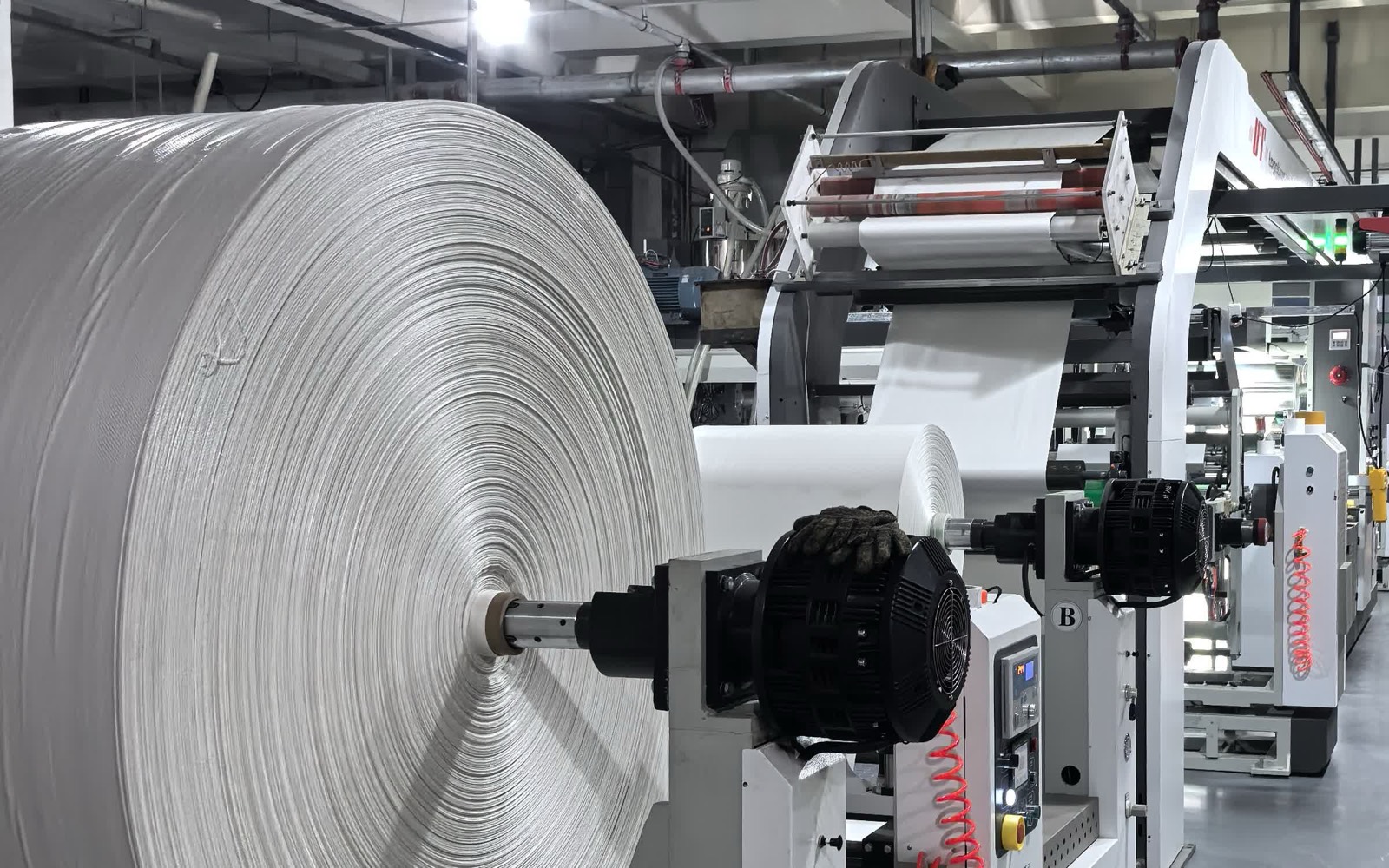
Pre-shipment inspection on every lot, to ISO 2859-1, General Inspection Level II, at AQL 2.5 major / 4.0 minor. That standard governs how many pieces we pull and the accept/reject numbers — it is a sampling scheme, not a tolerance. The dimensional tolerances below come from GB/T 8946-2013, the Chinese national standard for plastic woven sacks. Both are adopted standards you can look up, not numbers we invented.
Published tolerances
| Dimension | Tolerance | Bound to |
|---|---|---|
| Bag width and length | ±3% | GB/T 8946-2013 (plastic woven sacks) |
| Fabric weight (GSM) | ±5% | GB/T 8946-2013, weighed and back-calculated from a cut sample |
We weigh and back-calculate every pre-production sample before approving it. Shaved fabric weight is the most common way a woven sack quietly gets cheaper, and weighing the sample is the only reliable way to catch it.
The press-OK gate
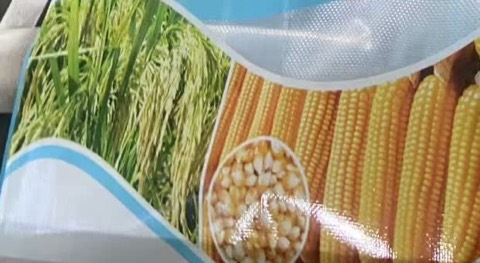
On printed work, production does not start until a press sheet is signed against your approved proof on your actual substrate — never against a bare colour reference. Signed copies are sealed and retained, so a later dispute is settled by comparing physical samples rather than recollections.
What we do when a lot fails
We reject and rework at our own cost before goods leave China. That is the whole point of a merchant of record: the defect is ours to find, not yours to discover on arrival.